
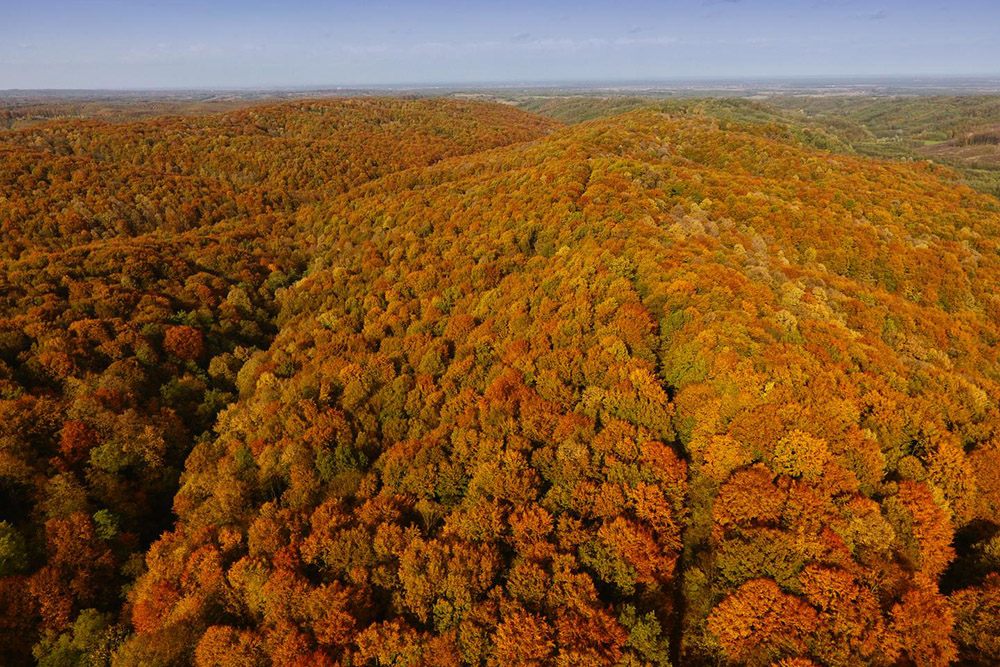
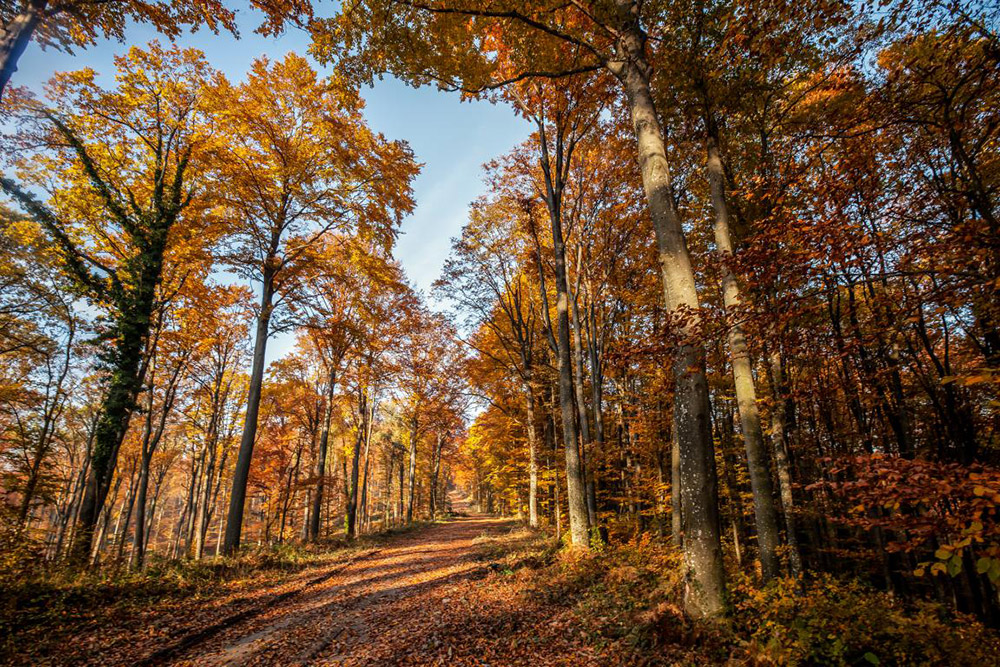
Bilogora – an oasis of natural beauty and rural enchantment
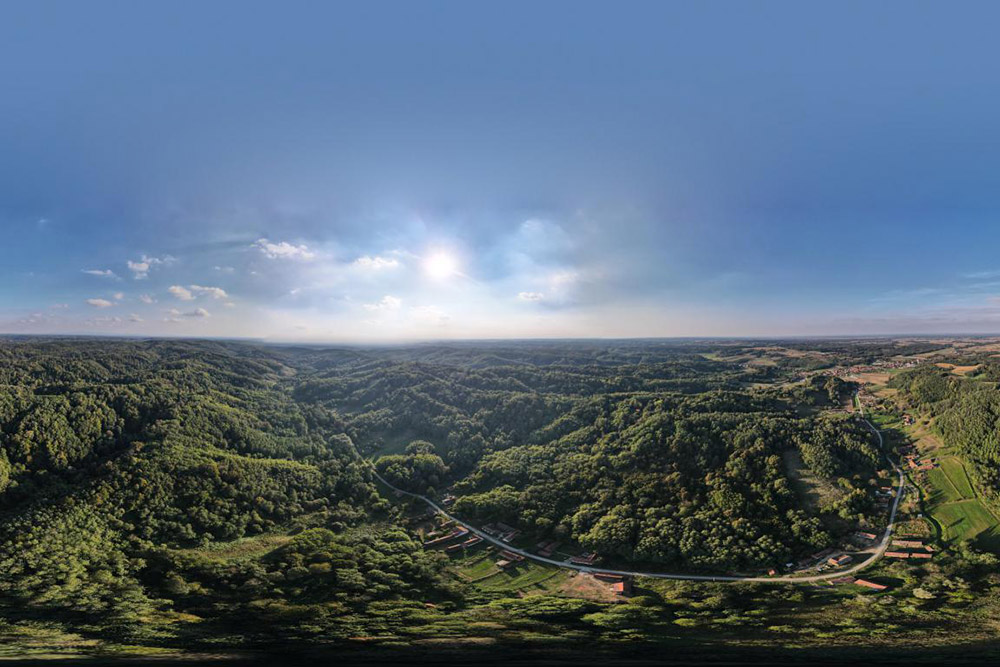
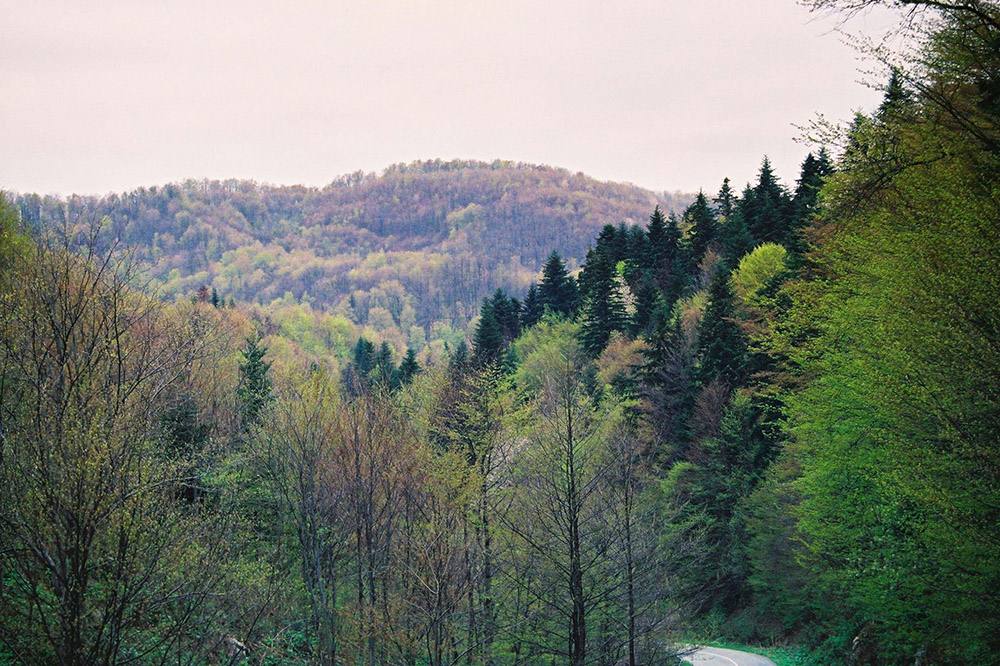
In the heart of Bilogora lies an incredible harmony of nature, where every path becomes a journey through the mysterious world of rural beauty. Its riches captivate the eyes, while horizons stretch into infinity, leaving visitors breathless. Strolling through its forest paths becomes a true exploration, revealing hidden treasures of nature and life.
Bilogora is not just a paradise for cyclists or horse riders, but also for all nature lovers seeking peace and tranquility far from the bustle of the city. Here, birds freely roam the sky, while vineyards and cottages of diligent people adorn the slopes, offering fresh drops of heavenly nectar – wine. Every effort, every drop of sweat of these people, is filled with the desire to provide visitors with an unforgettable experience and moments of enjoyment in the charms of Bilogora.
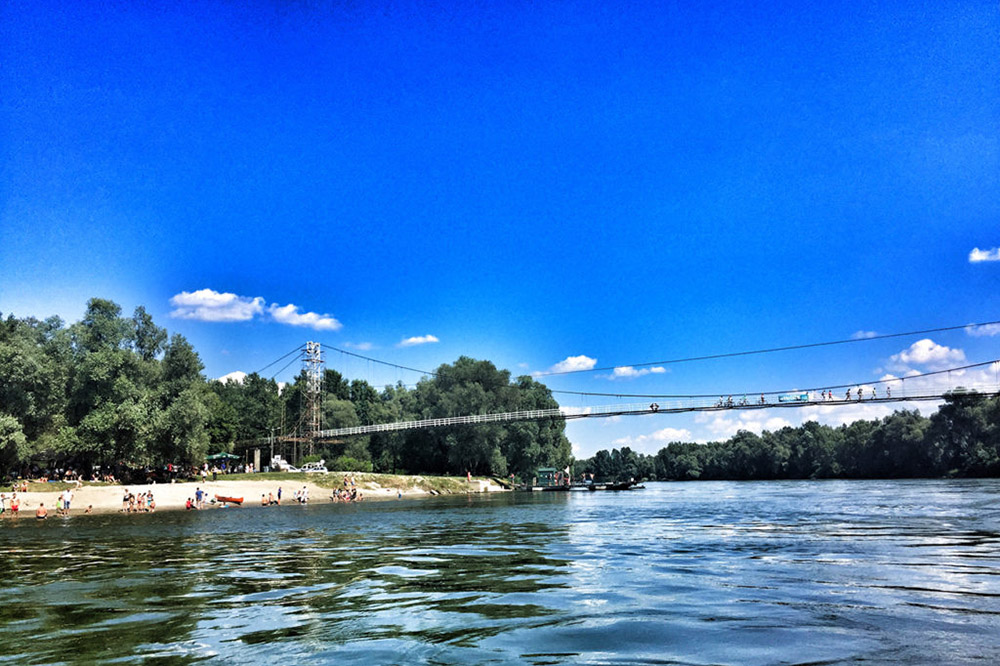
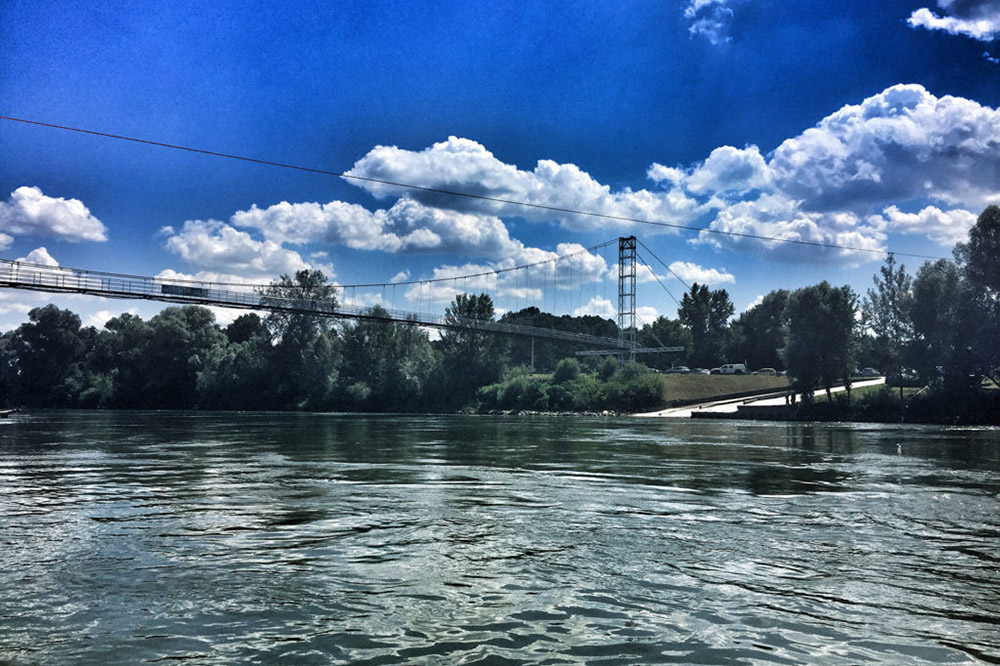
The Drava River and Križnica
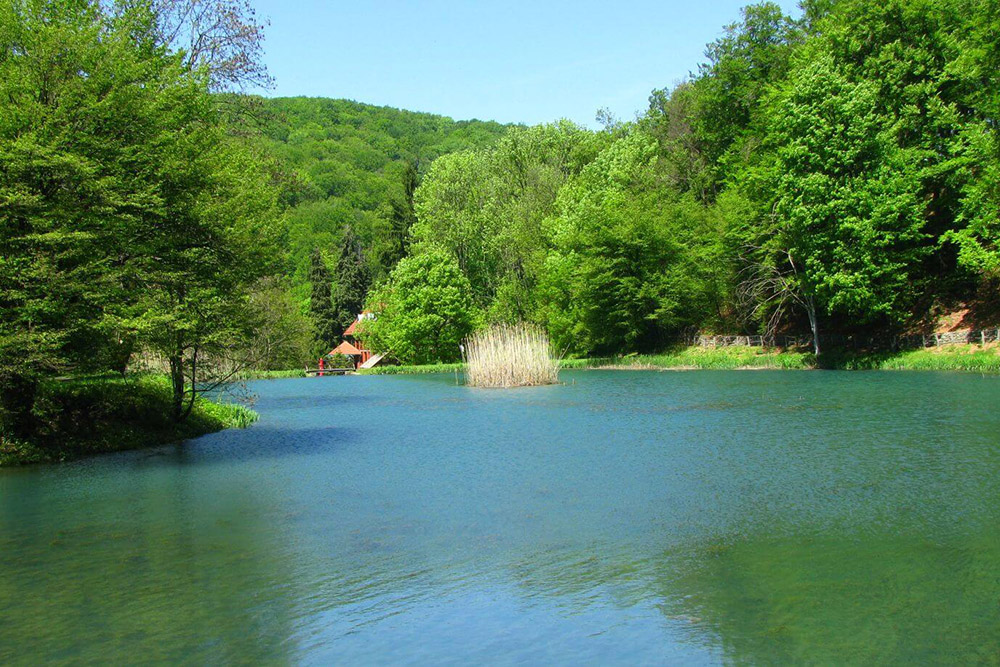
Sometimes calm, sometimes capricious. However, always equally stunning, adventurers, fishermen, cyclists, weekenders, and excursionists will tell you about the Drava, who regularly find adrenaline, peace, and inspiration on its white sandy beaches, islands, and the trails that follow it. Among the most picturesque places is Križnica, a protected landscape along the Croatian-Hungarian border, which can be equally reached by ferry or a suspension footbridge. Yes, time in this settlement, surrounded by Drava’s branches in a magical meander, has almost stood still… You’ll only be awakened from the dreamy atmosphere by the scent of freshly grilled Drava fish, prepared in a tasty homemade way, which you can taste in local restaurants.
Many cyclists know this well, as they regularly pass by, following the attractive Drava cycling route through the area of the former Iron Curtain. From its source in South Tyrol to its mouth into the Danube in Croatia, the Drava River changes its course nowhere as it does here in Križnica. The defiant Drava didn’t heed administrative divisions or respect Hungarian and Croatian land registries; it did as it pleased. So today, the Hungarian-Croatian border often cuts across the river, meaning if you navigate the Drava here, one moment you’re in Croatia, and the next, you’re in Hungary. This area was a “iron curtain” zone for decades when communication between people was difficult, and industry couldn’t be built, thus preserving almost untouched nature.
Križnica is attractive in every season, especially for those seeking to escape the hustle and bustle of the city.
Papuk
An unmistakable characteristic of the eastern part of Croatia is its vast plain stretching endlessly with cultivated areas that were once the bottom of the Pannonian Sea. However, among these plains rise mountains, such as the magnificent Papuk, considered the most beautiful mountain in Slavonia. Papuk became a Nature Park due to its exceptional geological, biological diversity, and rich cultural-historical heritage. The activities of the Park are aimed at the protection, preservation, and promotion of the natural and cultural values of this area. This extensive area, covering most of the Papuk Mountain and partially Krndija, extends over an area of 336 km2. Administratively located in two counties, Požega-Slavonia and Virovitica-Podravina, it includes municipalities such as Kaptol, Velika, Brestovac, Kutjevo, Voćin, Čačinci, and the town of Orahovica.
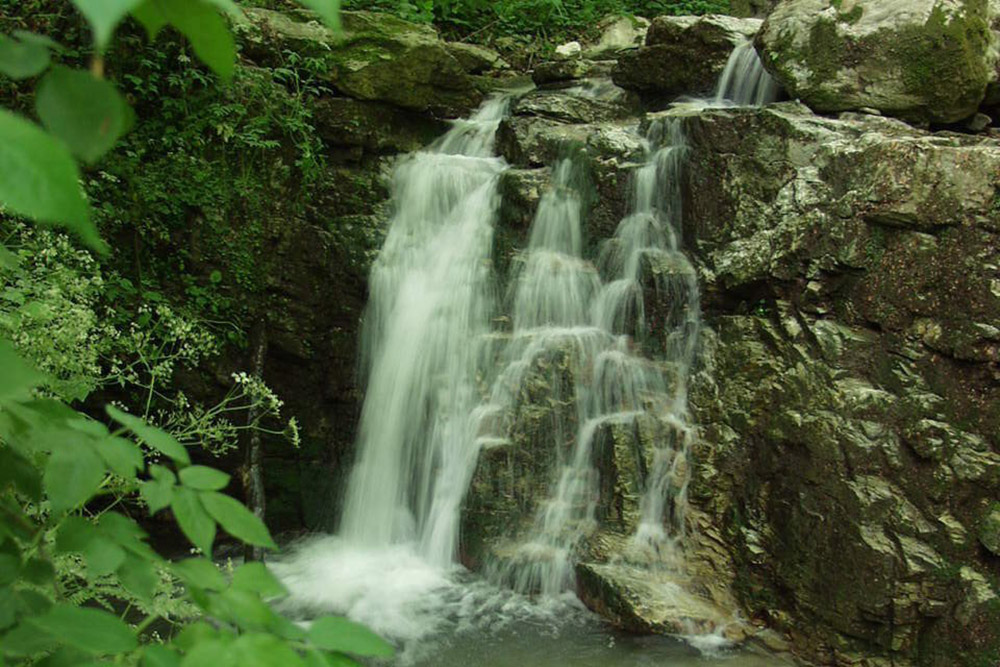
The Slavonian Mountains, to which Papuk and Krndija belong, have a central geographical position in the lowland area of Slavonia. Although not as high as the mountains in western Croatia, their presence is extremely noticeable, especially due to the surrounding plains. Forest areas and original forests of the Pannonian beech and fir further enrich this beautiful landscape. Within the Nature Park, there are numerous specially protected areas such as the geological monument Rupnica, the forest park Jankovac, and the natural monument Two Oaks. Papuk Nature Park became a member of the European Geoparks Network in 2007, joining other valuable sites across Europe.
Enchanting Forest – Oasis of Peace and Healing
In the toughest moments of human suffering and crises, the forest has always been regarded as a natural remedy. It’s like a magical potion for gloomy moods, a healer for sadness, and a form of meditation as you walk through its green embrace. With every breath, you feel the soothing touch of oxygen, while the sun’s rays gently pierce through the dense foliage of black alders, offering you hope and light.
If you dream of connecting with nature in its purest form, the special reserve of forest vegetation, Crni Jarki, provides a unique experience. In autumn and spring, when rains are abundant, groundwater rises closer to the surface, creating ideal conditions for the development of diverse flora. Here you can find the protected plant species, “košutica,” as well as other endemic plants, especially the long-clawed sedge. The forests of Crni Jarki are known for their exceptional biodiversity, and the black alder trees, among the tallest in Europe, further enrich this natural gem.
Although it may be called “black,” this forest is actually full of light. As you walk through it, sadness is proven to diminish, and the mind feels filled with peace and tranquility.
Lake Batinske – Haven for the Soul and Art
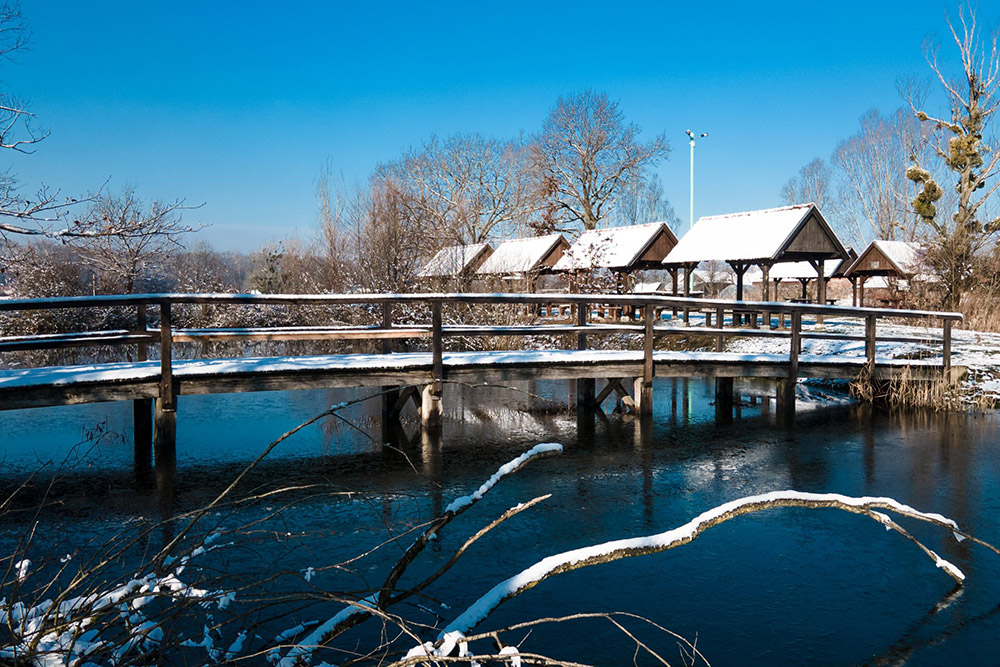
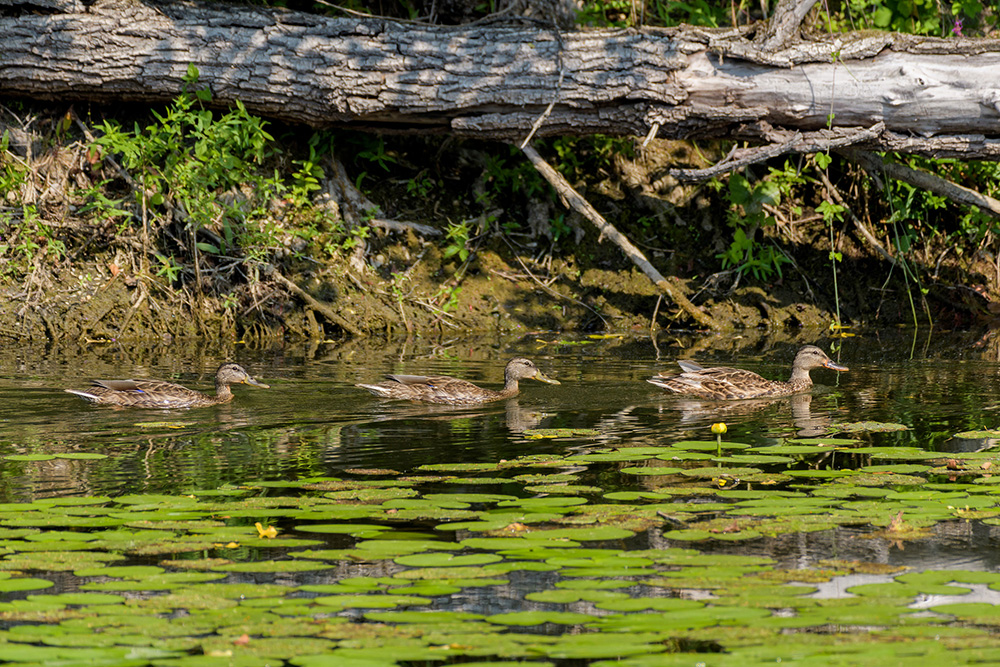
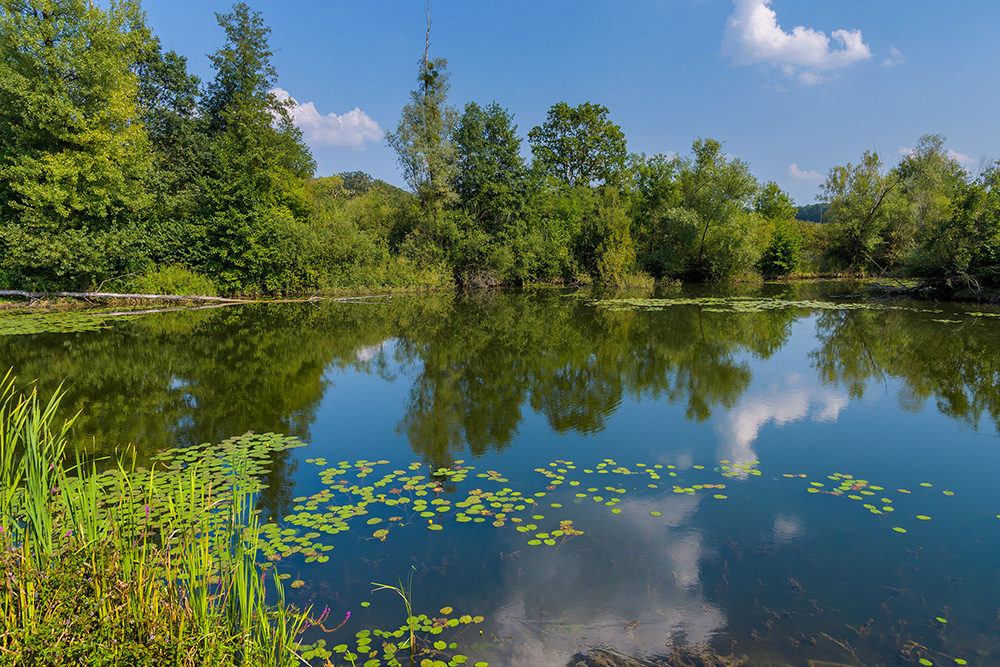
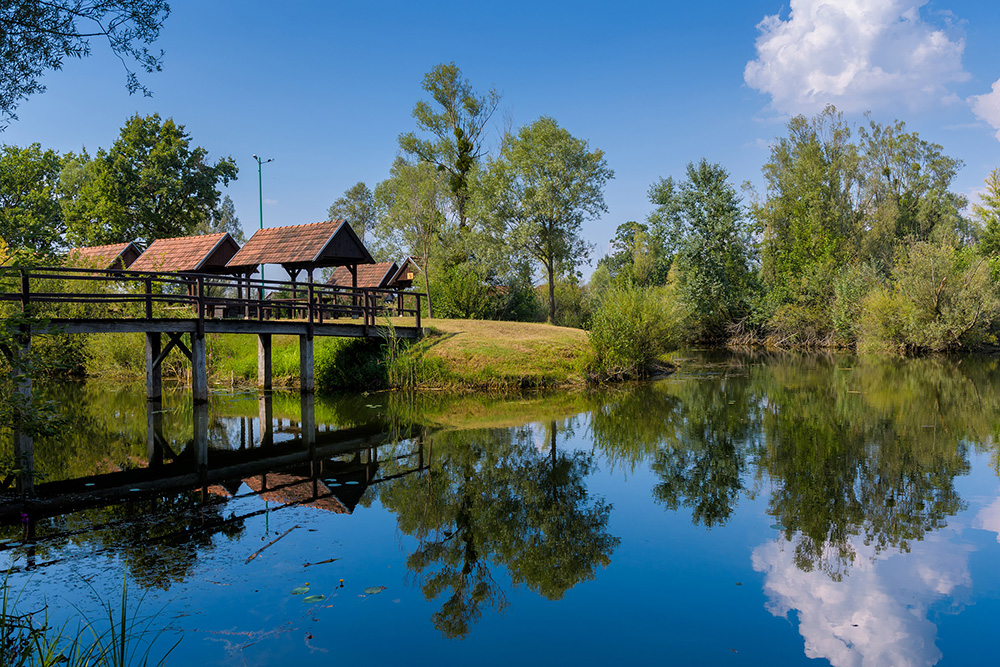
The calming beauty of Lake Batinske, which we planned to enjoy for a picnic, is enriched by a visit to the most famous gallery in this area. When we combine nature and culture, we get the recipe for a perfect weekend getaway! Batinske is the birthplace of the renowned painter Ivan Lacković Croata, and a visit to this charming place will pleasantly surprise you with its rich gallery dedicated to his legacy. The beautiful Lake Batinske is just an addition to this artistic palette, which, without any need for editing, proves that nature provides endless inspiration for artistic masterpieces.
What can you do at the lake?
They say fishing is a form of meditation, so meditation is available here all day long. You can enjoy bonding with loved ones in nature, have a picnic outdoors, or play soccer on a small field, and there’s even a resting place for horses. You’re not completely isolated; you have enough to escape the city crowds while retaining all the benefits of civilization.